Pilgrims in Someone Else's Hometown: What Seichi Junrei Looks Like When the Bus Full of Tourists Is American
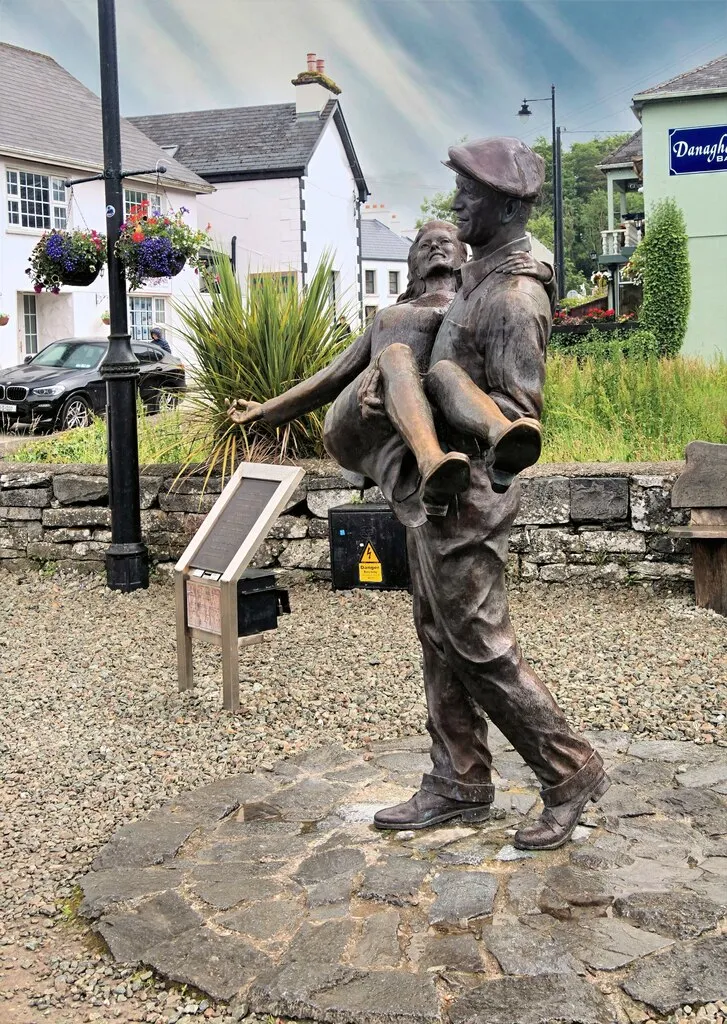
Photo: David Dixon , CC BY-SA 2.0, via Wikimedia Commons
There's a particular photo that keeps circulating in Japanese municipal Facebook groups: an American tourist, mid-pose, arms outstretched in front of a modest suburban house that happens to resemble a frame from a popular anime. The homeowner's expression in the background tells the whole story.
This is seichi junrei — "pilgrimage to sacred ground" — the practice of visiting real-world locations that inspired or appeared in anime. It's a beautiful idea on paper. It's also, increasingly, a logistics problem.
The Original Pilgrims Were Polite
The tradition started small and stayed small for years. Fans would track down the real-life model for their favorite show's setting — often a sleepy town like Chichibu or Washimiya — and show up with a sketchbook, maybe a printout of a scene for comparison. They'd visit the local shrine, buy something at the konbini, and leave.
What made it work was the reciprocity. Towns like Washimiya, which saw Lucky Star pilgrims flood in starting in 2007, didn't just tolerate the fans — they leaned in. The local shrine sold themed charms. Businesses put up character standees. Tourism boards discovered that a single popular show could do more for a regional economy than a decade of government marketing campaigns.
The exchange was, for a while, genuinely mutual. Fans got their sacred ground. Towns got revenue they'd never have attracted otherwise. Everyone behaved.
Then the algorithm found out.
When the Screenshot Becomes the Itinerary
TikTok changed the math. A fifteen-second video captioned "this REAL anime location will BLOW your mind" can send thousands of Americans to a residential street in a prefecture most couldn't locate on a map. The pilgrims arrive by chartered bus, phone out, drone sometimes in tow, treating a neighborhood where people actually live like a theme park queue with better lighting.
The difference between the old pilgrim and the new one isn't just volume — it's intent. The sketchbook fan came to connect with a place. The algorithm pilgrim came to collect it: get the shot, match the frame, post, move on. The town isn't a destination. It's a backdrop with a geotag.
And here's the uncomfortable part for those of us writing about this from a Brooklyn apartment: we're the ones doing it. American fans now make up a significant and growing share of pilgrimage traffic, and we bring our own behavioral software with us — the same main-character energy that turns national parks into photo props and Lisbon into a bachelorette backdrop.
The Town That Never Asked to Be a Set
Consider what this looks like from the other side. You bought a house in a quiet part of Gunma because it was quiet. Now strangers ring your doorbell asking if they can stand in your driveway because a fictional teenager rode her bike past it. Some municipalities have responded with signage, designated photo zones, even security at peak seasons — measures that cost money and, frankly, kill the vibe that made the place worth visiting.
There's also a fragility problem nobody wants to say out loud: anime-driven tourism is a boom that can end the moment a show falls out of fashion or its production committee moves on. Towns that restructured their local economies around one IP are one seasonal anime slot away from a very quiet fiscal year. Ask any American town that leaned on a single factory what that's like.
A Better Way to Make the Trip
None of this means stay home. Pilgrimage, done right, is one of the few forms of fan engagement that actually puts money into regional Japan — the places Tokyo's gravity has been draining for decades. The rural towns want visitors. They just want the kind who'll eat lunch at the local teishoku place instead of eating convenience store onigiri on the bus.
So here's the Shakaijin rule of thumb: if your itinerary for a town consists entirely of matching screenshots, you're not a pilgrim — you're a location scout. Spend the night. Buy the weird local specialty. Learn three phrases of Japanese. Let the town be more to you than a set.
The anime got made because someone loved that place enough to draw it. The least we can do is love it back a little.