Orphaned on the Shelf: The Manga Series America Abandoned Mid-Story
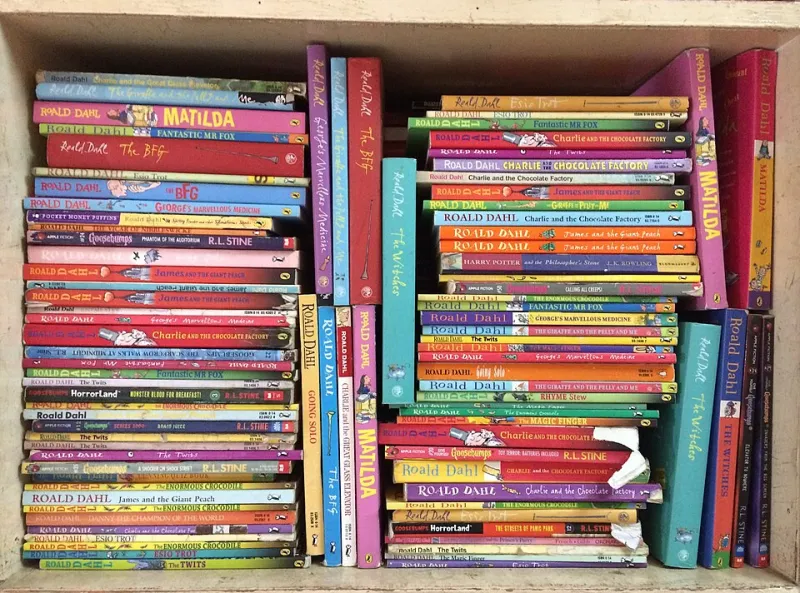
Photo: solarisgirl, CC BY-SA 2.0, via Wikimedia Commons
Somewhere in your bookshelf, there's probably a gap. Volumes one through nine of something you loved, sitting spine-to-spine, with a silence where volume ten should be. You didn't quit the series. The series quit you.
American manga readers call it the orphan shelf, and almost everyone who started collecting before the streaming era has one. It's a museum of broken pipelines — licenses dropped, publishers folded, translations abandoned halfway through an arc. And unlike an anime that gets axed, a manga left hanging isn't even a story you can look up. Sometimes the ending exists only in Japanese, sometimes only in a magazine that stopped printing it.
The Anatomy of a Dropped License
Manga licensing is a gamble dressed up as publishing. A US company pays for rights, translates, prints, distributes, and prays the first three volumes earn back the advance. If sales dip — and in the 2000s, they dipped constantly — the series dies mid-sentence. Tokyopop's collapse in 2011 alone orphaned hundreds of titles overnight. Del Rey's manga line went with it. Even Viz, the industry's fortress, has quietly shelved things readers assumed were safe.
The cruelty of it is structural. A 24-volume series that sells okay but not great is a worse business bet than three flash-in-the-pan hits, so the long, weird, slow-burn stories — the ones that needed time to find their people — are exactly the ones that got guillotined. The manga ecosystem optimized for the first three volumes of everything and the last twenty of almost nothing.
When the Ending Exists Nowhere
Here's the part that stings worse than a canceled license: sometimes the Japanese run itself fizzled. Mangaka burn out, get sick, or watch their magazine cancel the serialization, and a series ends on a cliffhanger the creator never got to resolve. American fans who invested a decade in a story discover that even the fandom's ultimate escape hatch — "just read the ending" — leads to a wall.
There's also the translation gap. Plenty of series finished in Japan but never picked up here, or licensed and then dropped with a dozen volumes untranslated. For a reader in Ohio, that final arc might as well be locked in a vault. The information exists. The access doesn't.
The Fan Archivists Doing Publishing's Homework
Which brings us to the people who decided a wall wasn't a wall. Scanlation groups — fans who scan, translate, and typeset manga themselves — have existed in a legal gray zone since the dial-up days, and for orphaned series, they're often the only reason an ending circulates in English at all.
It's worth being honest about the ethics. Scanlation of currently-licensed work undercuts the creators and the industry trying to pay them. But the orphan shelf occupies different moral territory: there is no legal channel to buy volume fourteen. When a series is commercially dead in the West, fan translation stops being competition and starts being hospice care. Some groups even stop translating the moment a series gets re-licensed — a code of conduct that, whatever you think of the practice, puts a lot of official operations to shame.
Beyond scanlation, there are wiki communities documenting chapter summaries, Discord servers where a dozen people maintain the memory of a dead series like a relay of oral historians, and archival projects cataloging exactly which licenses died, when, and why. It's fandom as record-keeping — unglamorous, unpaid, and occasionally the only reason a manga isn't forgotten entirely.
What the Orphan Shelf Says About Us
The re-licensing wave of the last few years — Seven Seas, Denpa, and others digging up corpses — proves the demand was always there. The old system failed readers not because Americans wouldn't read weird mid-list manga, but because the infrastructure for reaching them didn't exist yet. Digital-first publishing and print-on-demand have quietly made the orphan shelf preventable.
But the older wounds don't heal on their own. So if you've got a shelf of abandoned stories, here's a small act of resistance: look up whether that series got finished in Japan. Whether it's been re-licensed. Whether a fan group carried it across the finish line. Buy the new edition if one exists, because every re-license of a dead series is proof that someone, somewhere, refused to let a story end in silence.
The manga industry will always be fragile — that's what happens when art crosses an ocean on someone's business gamble. The orphan shelf is what that fragility looks like in cardboard and ink. The fans keeping those stories alive are what it looks like when readers decide fragility isn't the final word.