Don't Be That Fan: A No-Judgment Guide to Navigating Anime Fandom Without Torching Your Reputation
Every fandom has a version of "that fan." You know the one. The person at the convention who won't stop correcting people's pronunciation. The Twitter reply guy who shows up in every discourse thread with a hot take nobody asked for. The person who announces, loudly and often, that they only watch subbed anime and considers dubbing a form of cultural violence.
Anime fandom is not unique in producing this archetype. But because it sits at the intersection of genuine cultural exchange, intense personal attachment, and a long history of Western fans discovering Japanese media through imperfect translations and second-hand context, the opportunities for accidental (or not-so-accidental) rudeness are plentiful.
This isn't a rulebook. It's more like advice from a friend who has been in these spaces long enough to have made most of the mistakes themselves. Take what's useful, push back on what doesn't land, and maybe — just maybe — leave the discourse a little better than you found it.
Convention Culture: Enthusiasm Is Great, Consent Is Better
Anime conventions are genuinely joyful spaces. The cosplay is incredible, the panels can be legitimately illuminating, and there's something special about being surrounded by people who care as much as you do about something the mainstream has historically dismissed.
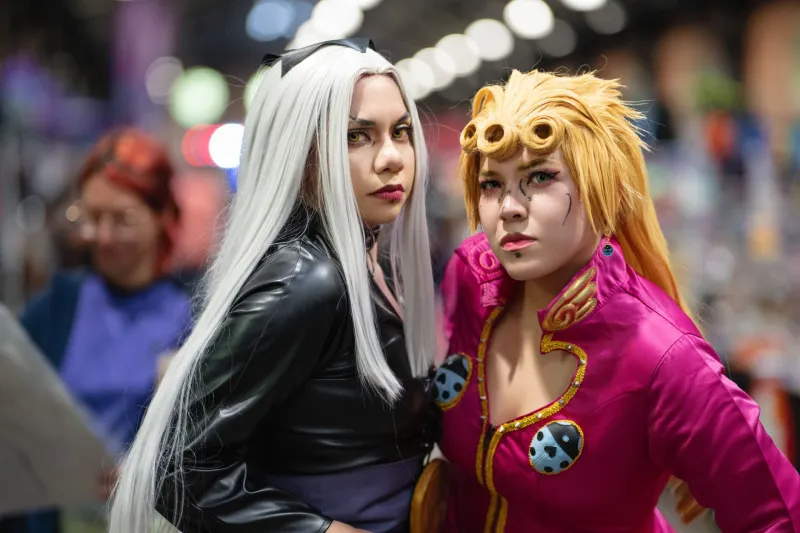
But conventions also have a recurring problem with boundaries, particularly around cosplayers. The rule here is simple and non-negotiable: ask before you photograph someone. Always. It doesn't matter how elaborate or "public" the costume is. Cosplayers are not props. They are people who put enormous time and money into their craft and deserve basic courtesy.
The same applies to touching. No hugging strangers. No adjusting someone's costume without permission. No grabbing someone's arm because you're excited about their character. This sounds obvious written out, but it happens constantly at cons, and it makes the space genuinely uncomfortable for a lot of people — particularly women and cosplayers from marginalized communities who already deal with disproportionate harassment.
On the flip side, if someone declines a photo or seems rushed, just let it go. "But I love your cosplay" is not a reason someone owes you their time.
Online Discourse: The Spoiler Problem and Why It's Bigger Than You Think
Spoiler culture in anime fandom is a genuine minefield, and the rules are less clear-cut than some people pretend. The general consensus in most dedicated fan spaces is that you should avoid spoiling anything that hasn't been out for at least a week, and even then, context matters — a major death in a finale is different from a mid-season plot twist.
But here's the nuance people skip: not everyone has access to simulcast streaming. Not everyone is watching at the same pace. International fans, fans with limited budgets, and fans who are newer to the medium may be significantly behind on a series you consider "old news." Leading with empathy rather than "well it's been out for months" goes a long way.
Tagging spoilers properly on social media is a low-effort, high-impact move. Twitter's spoiler feature exists. Content warnings exist. Use them. It costs you nothing and preserves someone else's experience of a story they care about.
The Sub vs. Dub Debate: Can We Please Retire This One?
Okay. Deep breath. The sub vs. dub discourse has been running since before most current fans were old enough to watch anime, and it has produced approximately zero useful conclusions. Here is the actual situation:
Subbed anime preserves the original voice performances and keeps viewers closer to the source material. This is a legitimate preference and a real advantage, especially for shows where the Japanese voice cast is doing something technically impressive that a dub might not replicate.
Dubbed anime makes the medium accessible to people who can't read fast enough to follow subtitles, people with visual processing differences, people who want to watch while doing something else, and people who simply prefer it. This is also a legitimate preference, and modern dubs — particularly from studios like Funimation and NYAV Post — are frequently excellent.
Neither preference makes you a better or worse fan. Gatekeeping someone's enjoyment of anime based on their subtitle settings is, and there's no polite way to say this, a waste of everyone's time. The medium is big enough for both.
If you genuinely believe a specific dub is bad or good, that's a conversation worth having. But "real fans watch subs" is not a conversation. It's a flex that impresses nobody and alienates newcomers who might otherwise become deeply invested community members.
Engaging With Japanese Creators: Some Cultural Context You Should Know
This is where things get genuinely important. As Western fandom has grown, so has direct interaction with Japanese creators through social media — particularly Twitter, which has a massive anime creator presence. This is a remarkable thing! It's also something that can go wrong quickly if you're not aware of a few cultural dynamics.
Japanese creators often have different expectations around fan interaction than Western creators do. Fan art, fan fiction, and doujinshi (fan-made comics) exist in a complex legal and cultural gray area in Japan that is handled through a kind of unspoken mutual understanding. Many creators quietly appreciate fan creativity but prefer not to formally acknowledge it. Tagging a creator in explicit fan content — even if that content involves their characters rather than them personally — can put them in an uncomfortable position and may violate platform norms they rely on.
Additionally, bombarding creators with unsolicited feedback, especially critical feedback, is generally considered rude in Japanese social contexts in a way that doesn't always translate to Western directness norms. Appreciation is welcome. Demands are not.
If you're engaging with Japanese-language content, making an effort — even an imperfect one — is noticed and appreciated. Running a tweet through Google Translate before replying is better than nothing. And if you're not sure whether something is appropriate to share or respond to, defaulting to restraint is usually the right call.
Respecting the Culture Behind the Content
This last one is less about etiquette and more about mindset. Anime is not just content. It comes from a specific cultural context, shaped by Japanese history, social structures, aesthetics, and anxieties. Engaging with it well means being curious about that context, not just consuming the output.
That doesn't mean you need a degree in Japanese studies to enjoy Jujutsu Kaisen. It means being open to learning when someone explains why a joke lands differently in the original language, or why a character's behavior makes more sense against a particular cultural backdrop, or why a certain trope has a long history that isn't immediately obvious to an outside viewer.
It also means not reducing Japan to its anime exports. The country is complex, its people are diverse, and the media it produces is not a monolith. Treating every anime as an anthropological document, or assuming that because you've watched a lot of it you understand Japanese culture, is its own kind of disrespect.
The best anime fans — the ones who make communities genuinely welcoming — are the ones who stay curious, stay humble, and remember that loving something deeply is a starting point, not a finish line.
So go enjoy your conventions, keep your spoilers tagged, watch in whatever language you prefer, and maybe — just this once — let someone else be right about the discourse.