You're Funding the Party You're Not Invited To: The Uncomfortable Truth About Western Anime Money

Photo: Bibury Animation Studios, Public domain, via Wikimedia Commons
Let's start with something that doesn't get said plainly enough: most anime was not made for you. If you're an American fan — even a deeply invested, fluent-in-Japanese, owns-the-Blu-rays American fan — the creative decisions behind your favorite shows were made by studios whose primary reference point is a domestic Japanese audience with a completely different cultural context, humor register, and set of social anxieties. You are, at best, a welcome surprise. At worst, you're a revenue stream that gets acknowledged in quarterly earnings reports and nowhere else.
This isn't a complaint. It's just the actual situation. And understanding it changes how you see pretty much everything about how anime gets made, licensed, localized, and discussed.
Designed for Somewhere Else
The cultural specificity of anime isn't accidental. It's structural. Shows like Kaguya-sama: Love Is War operate on comedic logic rooted in very particular Japanese high school social hierarchies. Showa Genroku Rakugo Shinju asks its audience to emotionally engage with a dying performance art form that most Americans have never heard of. Even a comparatively accessible shonen like My Hero Academia is saturated with references to Japanese workplace culture, seniority dynamics, and specific anxieties about conformity versus individuality that land very differently in Osaka than in Ohio.
Studios aren't doing this to exclude Western viewers. They're doing it because they're making television for the people in the room with them — the domestic broadcasters, the manga publishers, the merchandise companies, the fans who will buy the physical releases that still generate significant revenue in Japan long after streaming has moved on. The international audience is a bonus, not a design spec.
This is why so much gets lost in translation that isn't even a language problem. The pacing choices, the tonal shifts, the comedy beats that American audiences read as weird or flat — those aren't failures of craft. They're calibrated for someone else's nervous system.
The Licensing Wall
If you want to see the clearest expression of how the industry actually views its Western fanbase, look at licensing. For years — and still, in plenty of cases — anime was region-locked, delayed by months for international release, or simply unavailable outside Japan entirely. Streaming has improved this, but the underlying logic hasn't fully changed.
Licensing deals are structured to protect domestic revenue first. Japanese physical media sells at prices that would make American consumers pass out — a standard Blu-ray volume in Japan can run $50 to $80 for two or three episodes — and that market cannot be cannibated by cheap international streaming access. So even as Crunchyroll and Netflix have expanded their catalogs dramatically, there are still shows that are simply walled off from Western audiences for years, or forever.
The message embedded in this structure isn't hostility. It's indifference. Western fans aren't being punished; they're just not the priority. The industry will take their money when it's convenient and profitable to do so, and it will ignore their preferences when it isn't.
The Money Is Real, Though
Here's where it gets complicated. The indifference is real. And so is the financial dependency.
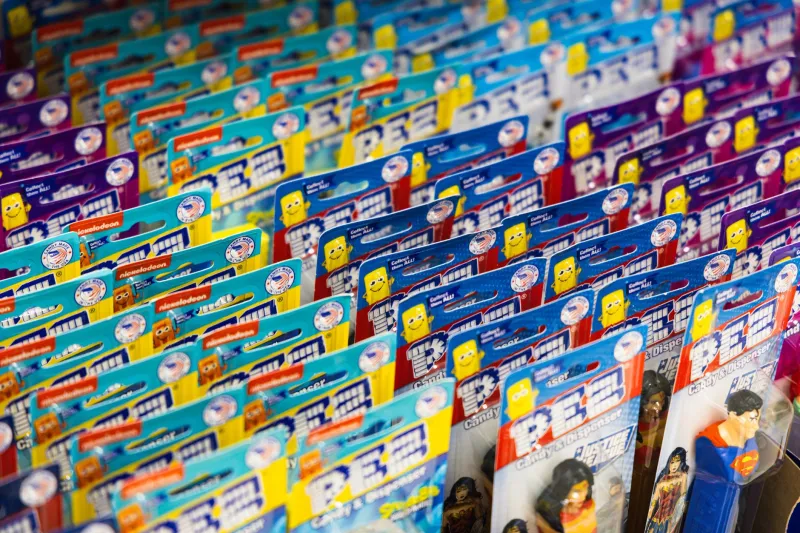
Crunchyroll, which Sony acquired for $1.175 billion in 2021, had over five million paid subscribers at the time of the deal — the overwhelming majority of them outside Japan. Netflix has spent hundreds of millions of dollars on anime licensing and original production. Funimation's dub operation, before its absorption into Crunchyroll, was a significant revenue engine built almost entirely on Western demand. Merchandise sales driven by American fandom — the Hot Topic section, the convention dealer floors, the Funko Pops — represent a substantial and growing slice of total franchise revenue for major properties.
The uncomfortable math is this: without Western money, several mid-tier studios would not survive the next decade. The economics of the domestic Japanese anime market — compressed broadcast fees, brutal production schedules, notoriously low animator wages — do not pencil out without international revenue filling the gaps. Fans in the U.S. are not just a nice-to-have. They are, quietly, essential.
And yet the industry doesn't really act like it.
Studio Silence on the International Stage
When was the last time you saw a major Japanese anime studio engage substantively with Western fan discourse? Not a perfunctory tweet. Not a localized promotional push for a theatrical release. Actually engage — acknowledge the conversation happening in English about their shows, respond to criticism, adjust creative decisions based on international reception?
It almost never happens. Studios like Kyoto Animation, MAPPA, and Ufotable operate almost entirely within Japanese media ecosystems. Their interviews are in Japanese publications. Their fan events are in Japan. Their social media is Japanese-first, with English accounts that mostly just translate press releases.
This isn't arrogance. It's focus. They're making things for their audience, and their audience is home. The fact that millions of Americans have strong opinions about the pacing of Jujutsu Kaisen season two is genuinely not something that factors into production meetings in Tokyo.
An Awkward Power Dynamic
What we're left with is a relationship that doesn't have a clean name. Western anime fans are financially significant and culturally invisible to the industry they support. They fund shows they weren't designed to fully understand, argue passionately about creative decisions made without them in mind, and occasionally discover that a beloved series has been licensed into unavailability because of a deal structure that prioritizes a market they can't access.
Some fans respond to this with resentment — the sense of being used. Others, more usefully, just accept it as the terms of the relationship and enjoy what they get. The shows are good. The experience is real. The fact that you're watching something made for someone else doesn't make your connection to it less genuine.
But it's worth being honest about the dynamic. You're not a core stakeholder in this industry, even if your subscription fee is part of what keeps it running. The studios aren't your creative partners, even if their work shapes your emotional life. The party is in Tokyo. You're watching the livestream and paying for the venue.
That's a weird thing to be. But it's what we are.