Seen by Software: What It Means When an Anime Algorithm Understands You Better Than Your Best Friend
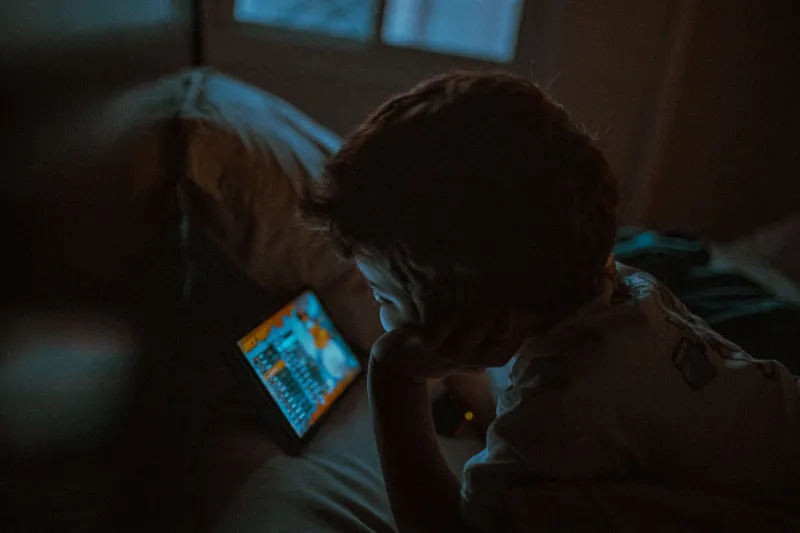
It's 11 p.m. on a Tuesday. You've had a genuinely rough day — the kind where nothing catastrophically bad happened but everything felt slightly wrong, like a song played half a step flat. You open Crunchyroll or Funimation or whatever subscription you're currently justifying, and without you typing a single word, the homepage surfaces exactly the right show. Not action-heavy. Not chaotic. Something quiet, slow-burning, emotionally warm. A slice-of-life series you bookmarked three months ago and forgot about.
You didn't ask for it. The platform just... knew.
And here's the part nobody really talks about: that feeling — being anticipated, being read correctly — might be one of the more intimate experiences a lot of us have on any given weeknight.
The Recommendation Engine as Emotional Mirror
Anime streaming platforms have spent years building recommendation systems that go well beyond 'you watched this, so try that.' Modern algorithms are tracking session length, the time of day you start watching, whether you finish episodes or bail halfway through, how long you hover over a thumbnail before clicking away. They're building a behavioral profile that, in many ways, reflects your emotional state more accurately than a mood board ever could.
Crunchyroll's catalog alone sits at thousands of titles spanning wildly different tones — from high-octane shonen battles to deeply meditative iyashikei series designed specifically to soothe anxiety. The algorithm learns which corner of that catalog you retreat to when you're stressed versus when you're energized versus when you're sad and don't want to admit it. Over time, it starts making recommendations that feel less like suggestions and more like someone handing you exactly the right thing without being asked.
That's not an accident. That's a system that has logged enough of your behavior to model your inner life — at least the parts of it that show up in what you choose to consume.
Why This Hits Differently for Anime Fans
Anime as a medium has always had an unusual relationship with emotional specificity. Japanese storytelling — across manga, light novels, and animation — tends to sit with feelings in ways that Western television often rushes past. The genre catalog reflects that: there are entire subgenres built around particular emotional textures. Iyashikei for healing. Mono no aware aesthetics for bittersweet beauty. Slice-of-life as a genre that treats ordinary moments with the same gravity that action shows give to battles.
When an algorithm learns that you keep coming back to Mushishi or Laid-Back Camp or March Comes in Like a Lion after difficult weeks, it's not just tracking genre preference. It's tracking what you reach for when you need to be held emotionally. And for a lot of American viewers — especially younger ones navigating loneliness, burnout, and the general chaos of adult life — that data portrait is more nuanced than what most people in their lives actually see.
Your algorithm knows you watch cozy anime at midnight when you can't sleep. Your group chat doesn't.
The Parasocial Relationship Nobody's Naming
We talk a lot about parasocial relationships with anime characters and content creators. There's been real cultural conversation about what it means to feel deeply connected to fictional people, to feel understood by a character who will never know you exist. But we're not having the same conversation about the platforms themselves.
Being 'known' by a recommendation engine produces a genuine psychological response. There's a warmth to it — a sense of being seen — that activates some of the same emotional circuitry as being understood by another person. Researchers studying human-computer interaction have documented this for years, but it's hitting differently now that the systems are sophisticated enough to get it right with uncomfortable regularity.
For people who feel under-seen in their daily lives — which, let's be honest, describes a significant chunk of the American population right now — that algorithmic recognition can feel like a relationship. Not a human one, obviously. But a consistent, non-judgmental presence that pays attention. That never gets tired of your taste. That doesn't make you feel weird for needing Natsume's Book of Friends for the fourth time this year.
There's real comfort in that. And real reason to examine it.
Filling a Void or Deepening One?
This is where it gets complicated, because the answer is probably both — and which one dominates depends heavily on how you're using it.
If algorithmic intimacy is functioning as a low-stakes entry point that helps you identify what you actually need emotionally, and that self-knowledge spills over into your real relationships, that's arguably useful. Knowing that you consistently reach for quiet, introspective anime when you're overwhelmed might help you articulate something to a friend or therapist that you couldn't previously name.
But if the platform's understanding of you is becoming a substitute for the messier, harder work of being known by actual people — if the frictionless accuracy of the algorithm is making human relationships feel like too much effort by comparison — that's a different story. Algorithms don't push back. They don't misread you and apologize and grow from it. They don't have bad days that make them less available to you. They're optimized for engagement, which means they're optimized to feel good, which is not the same thing as being good for you.
The anime community in the US skews toward people who already have complicated relationships with social belonging. That's not a criticism — it's just true, and it's part of why so many of us found the medium in the first place. But it also means the comfort of algorithmic recognition can land with particular force for people who might benefit most from human connection and find it most difficult to pursue.
What We're Actually Asking For
Maybe the more honest question isn't whether the algorithm knows us — it clearly does, increasingly well — but what we're hoping it will do with that knowledge. Because what people seem to want when they describe that uncanny feeling of a perfect recommendation isn't really to be understood by software. It's to feel understood, full stop. The platform is just the thing that showed up consistently enough to earn that feeling.
There's something worth sitting with in the fact that a content delivery system, optimized for watch time and subscription retention, has become one of the more reliable sources of that feeling for a lot of Americans. It says something about the medium — anime really does contain emotional multitudes that Western streaming catalogs often can't match. But it also says something about the gaps we're carrying around.
The algorithm didn't create the loneliness. It just got very, very good at being something to put in it.
And maybe the move — the genuinely shakaijin move, the one that takes seriously both the love of this medium and the life happening around it — is to let the right recommendation lead you somewhere. Watch the show the platform surfaced. Let it do what good anime does and crack something open in you. Then tell someone about it. The messy, human, potentially-misunderstood version of being known is still the one that counts.